
Endurance Horseback
Riding
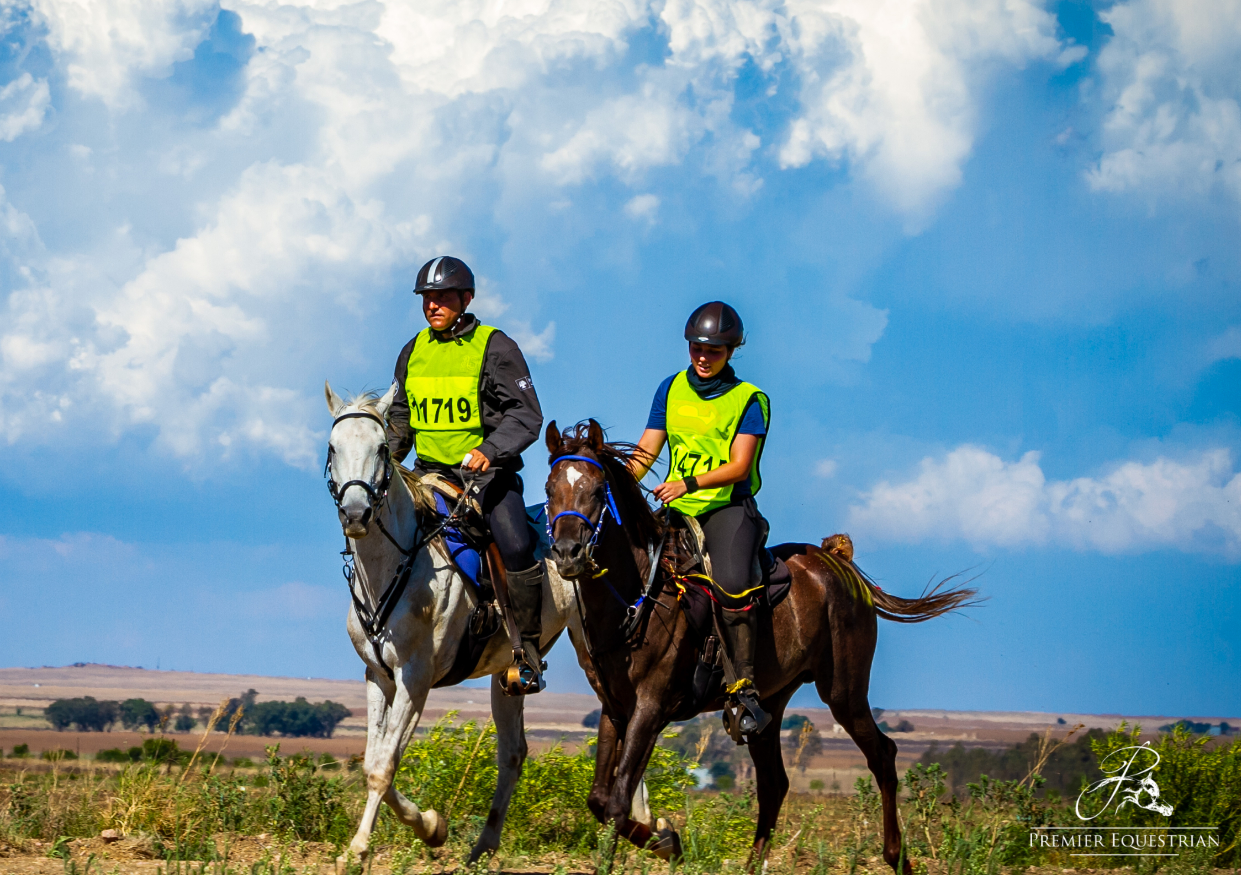
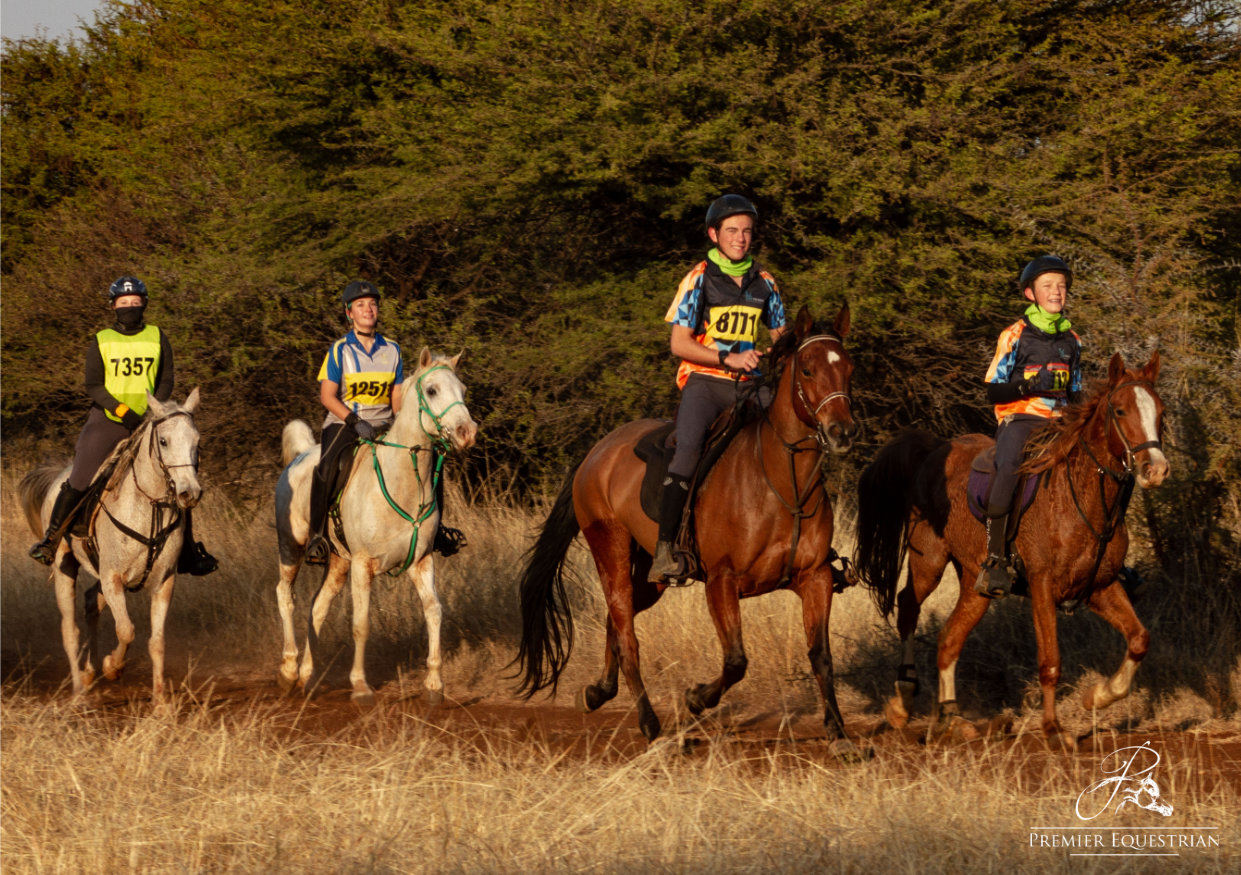
Endurance horse riding is an internationally recognised equestrian discipline focused on testing the stamina, fitness, and partnership between horse and rider over long-distance courses. Competitions range from shorter introductory distances (20km – 40km) to internationally regulated events (80km, 120km, and 160km), completed within specified time limits.
The sport emphasizes strategic pace management, conditioning, horsemanship, and responsible care of the horse, with mandatory veterinary inspections throughout the ride to ensure the horse’s welfare and fitness to continue. Success in endurance is achieved not only by speed, but by completing the course with a sound, healthy horse, demonstrating excellent training, preparation, and endurance capability.
Premier Equestrian Club’s heritage is deeply rooted in the discipline of endurance riding. If you are looking to develop true horsemanship, enjoy the outdoors, and experience meaningful family time, endurance is the ideal discipline for you. It is one of the few equestrian sports that can be enjoyed and participated in by the entire family.
Endurance riding can be described as a marathon for both horse and rider. It requires time, patience, discipline, dedication, and perseverance to prepare a horse for long-distance competition and to complete an event.
If these are values you would like your child to learn from a young age, you are in the right place. With its emphasis on resilience, responsibility, and partnership, endurance riding builds valuable life skills while creating unforgettable memories.
Whether you are seeking family adventure, a deeper connection with horses, or time spent exploring the beauty of our country, endurance riding offers an exceptional and rewarding experience for all ages.
How the Sport Works:
Endurance horse riding in South Africa is governed by the Endurance Ride Association of South Africa (ERASA). To participate in officially sanctioned events, riders must be members of an affiliated endurance club and be registered with the South African Equestrian Federation (SAEF).
Upcoming events are published on the ERASA website (www.erasa.co.za), and entries are typically submitted online one week prior to the event.
For new riders, it is advisable to partner with someone experienced in endurance to help guide you through the process at your first events.
As rides start early in the morning, good preparation in daylight hours is highly recommended.
To compete, riders require a microchipped horse with a valid ERASA endurance passport and up-to-date vaccinations.
Upon arrival at the venue, riders proceed to registration, and competitive riders will also complete an official weigh-in with tack.
All horses are required to undergo a veterinary inspection at the ride venue the day before the event to confirm fitness to start.
A mandatory ride briefing is conducted to explain route colours, vet gate procedures, and safety requirements. .
New horses and riders participate in a novice phase, which must be completed within a 24-month period before progressing to longer distances and faster speeds.
Novice Horses and Progression:
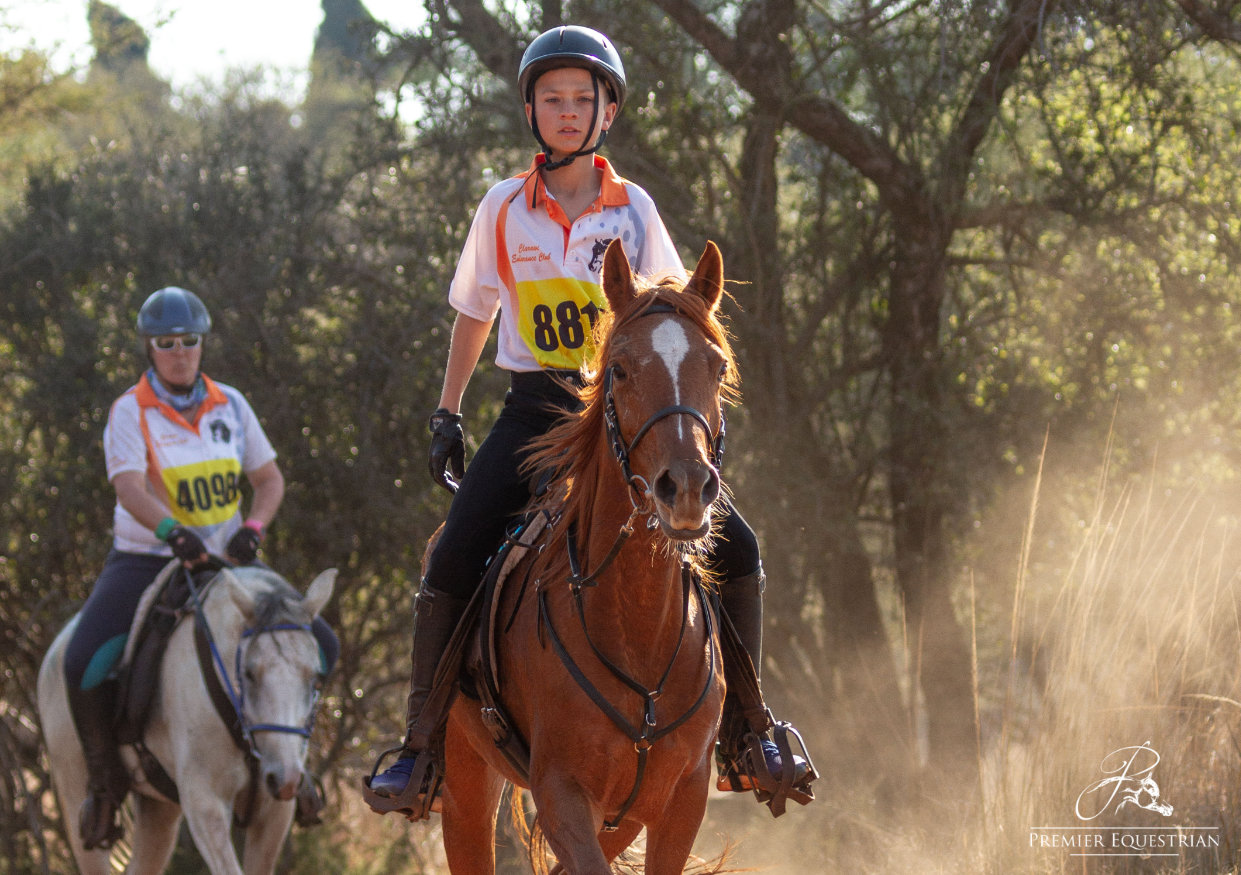
A horse that is new to endurance is referred to as a novice horse. During competitions, novice horses are identified by the letter “N” marked on the hindquarters.
To complete the novice phase, a horse must successfully finish:
-
Two x 40 km rides, and
-
Two x 80 km rides
all at an average speed not exceeding 16 km/h.
Once the novice requirements are completed, the horse may progress to distances of up to 99 km, using what is known as the step-ladder method.
What is the Step-Ladder ?
A step-ladder ride is a non-competitive format allowing the rider to withdraw the horse after any completed leg, while still retaining the distance completed. This approach assists with gradual conditioning and horse welfare.
What is a “Leg”?
Endurance rides are divided into sections, referred to as legs or laps, designed to ensure the wellbeing and safety of the horse.
At the end of each leg, the horse must pass a veterinary inspection. The veterinarian assesses heart rate, movement, hydration, and overall condition. Only once the horse is declared fit may it continue to the next leg.
Standard ride distances include:
-
40 km
-
80 km
-
120 km
-
160 km
The number of legs depends on the total ride distance. Longer distances consist of additional legs. Each leg is colour-coded to guide riders along the correct route—for example, in an 80 km ride with three legs, the first may be marked in green or blue, the second in yellow, and the final leg in red.
What Do I Need?
Riders must have an official ERASA rider number and bib, which is issued and ordered through your endurance club upon registration.
Standard riding attire and a safety-approved helmet are compulsory. Practical footwear is advised, as riders may need to dismount and walk or jog alongside their horse during a ride.
Essential equipment includes:
-
A suitable, fit horse
-
A saddle – Endurance safety stirrups are compulsory
-
A bridle (plastic-coated endurance bridles are recommended due to sweat and water exposure)
-
A breastplate or running martingale is optional for stability and control assistance.
How Should I Prepare My Horse?
Training days are hosted yearly by the Gauteng Union for new riders, where all essentials are thoroughly discussed and explained.
Preparation for endurance follows the same principles as training for a human long-distance athlete: slow, steady conditioning. Warm-up and cool-down routines are important during every session, along with regular stretching to maintain suppleness. Work both sides of the horse equally to ensure balance and even muscle development.
Avoid overtraining. Rest days are essential for muscle recovery and help prevent injury. Training should be progressive.
Nutrition plays a major role. Appropriate feeding, hydration, and hoof care are critical—the saying “no foot, no horse” applies strongly in endurance. Shoes should ideally be fitted 10 days prior to an event to allow hooves to settle, but consult your local farrier for advice.
Just like human athletes, endurance horses may benefit from professional support such as physiotherapy, chiropractic care, or acupuncture when required.
Proudly Powered By:

Copyright © Premier Equestrian Club 2024. All rights reserved.